
The most common causes of lack of agility
Identify the most common signs of a lack of Business Agility
Can you identify one of the twelve most common indicators of lack of agility in organizations? We at Magnaccent can provide a new environment for you that fosters high-achieving teams to delivery more.
Click on each sign to learn how Business Agility looks like.
Teams
By fostering a culture of collaboration, continuous learning, and experimentation, teams can improve their ability to adapt to changes and deliver value in a rapidly changing business environment. Cross-functional and self-organizing teams can be established to facilitate the delivery of innovative solutions that meet customer needs.
Low Engagement
& High Stress Environment
Good Enviroment and Healthy Workload on Team
Lose Track
of Teams Work
Goal Achieving Teams
Inefficient and Understaffed
Teams
Easy to Attract Talent
Operations
Operations can be optimized by streamlining processes, automating tasks, and leveraging data to make informed decisions. By adopting a data-driven approach, organizations can quickly identify areas for improvement and adjust operations accordingly to improve performance.
Lack
of Decision Information
Risk taking based on data
High
& Unplanned Costs
Capable of Reducing Costs
Losing
Market Share
Harder to compete with
Leadership
Leaders play a critical role in promoting business agility. By fostering a culture of innovation, accountability, and continuous improvement, leaders can inspire their teams to take calculated risks, challenge the status quo, and embrace change. They can also create a learning environment that encourages staff to acquire new skills and knowledge to enhance their performance.
High
Turnover Rates
High Individual sense of belonging
Lack
of Autonomy
Well Balanced Autonomy
Irrelevant
Priorities
Integrated Results with Business Goals
Culture
Agile organizations foster a culture of continuous improvement, innovation, and customer-centricity. They embrace change, value diversity and inclusion, and prioritize sustainability and social responsibility.
They also continuously evaluate and evolve their strategies, processes, and culture to stay ahead of the competition and meet evolving customer needs.
Lack of Trust and Transparency
Building a Culture of Openness and Accountability
Creating an Environment of Learning and Experimentation
Well Balanced Autonomy
Promoting a Culture of Fairness and Meritocracy
Integrated Results with Business Goals
Value Delivery to Customers
To optimize value delivery, a customer-focused approach can be adopted, which includes feedback loops, fast iterations, and experimentation to continually refine and enhance products and services. A focus on quality, speed, and agility can help organizations deliver value faster and with greater efficiency.
Slow
Deliveries
Trackable and High Productivity
Inconsistent
Quality
High Quality Outputs
Customer
Complaints
High Customer Satisfaction
Want to improve your Agility?
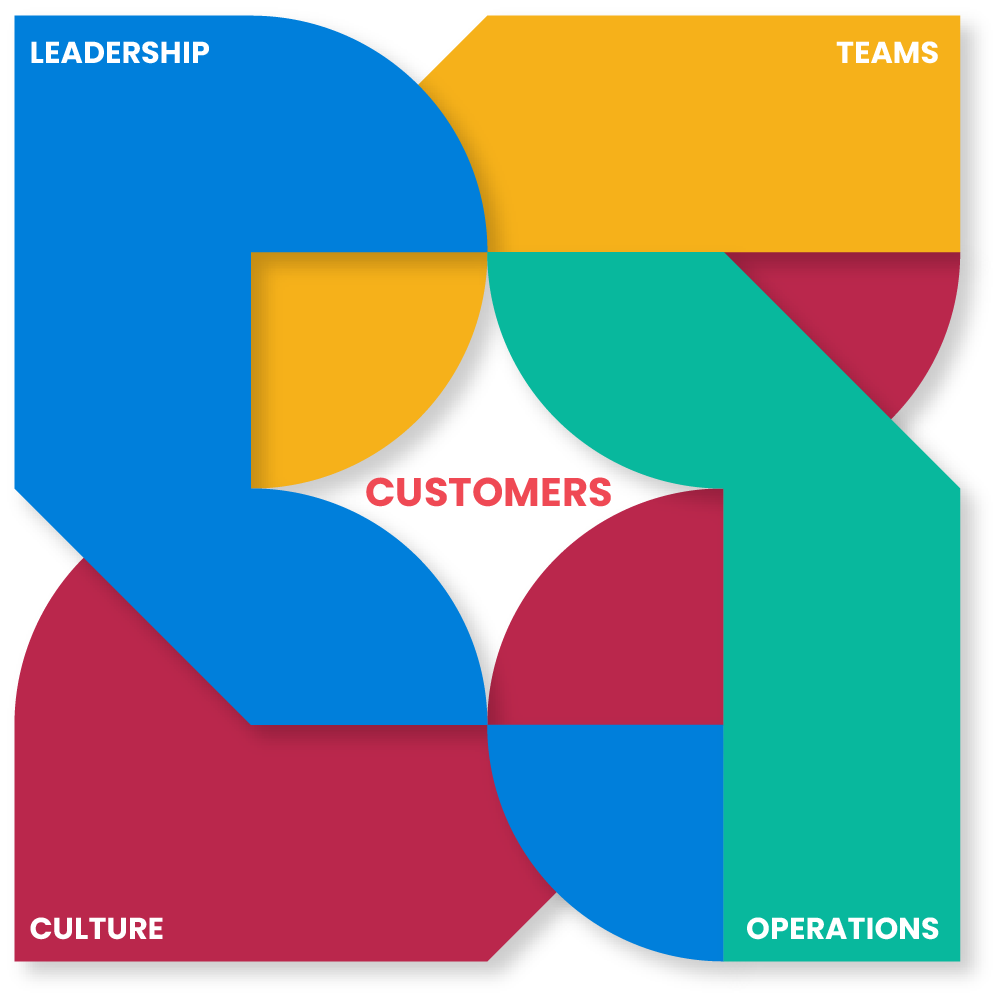
Our comprehensive Business Agility Framework consists of five pillars - Leadership, Teams, Operations, Culture, and Customers - that deliver customer-centric and organization-wide impact and value.
Through our integrated BA consulting program, we partner with organizations to accelerate their agility and help them achieve their business goals.
Learn the most common Pains and BA Outcomes on each Pillar and how Magnaccent can Impact your organization.
